Since October 2022, at least six professional and experienced Chesapeake Bay watermen have died on the water, prompting a renewed focus while boating in cold weather. As winter sets in, boaters who continue to operate their vessels face significantly increased dangers, which is why we wanted to share some winter boating safety tips.
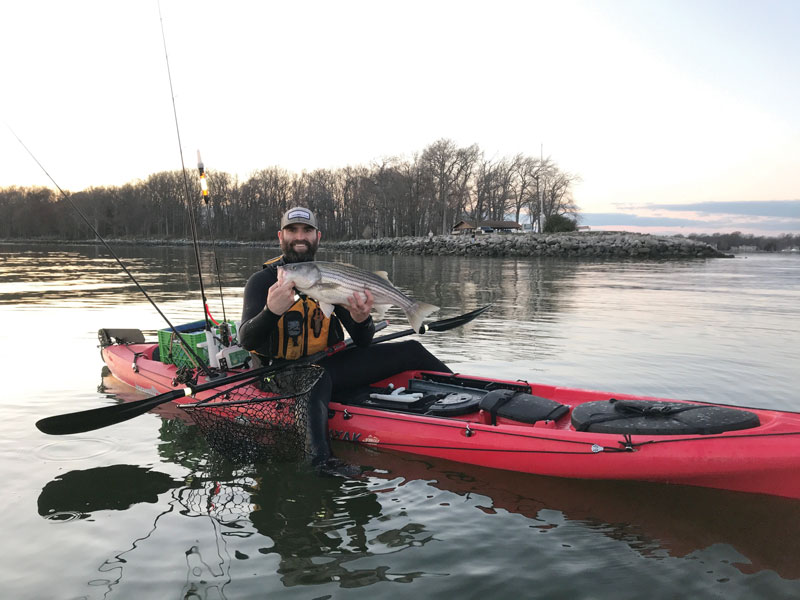
Current water temperatures, in addition to wind chill, heighten the immediate risk of cold shock and hypothermia, while ice, heavy gear, and freezing spray increase slippery deck conditions and the likelihood of falling overboard.
Additionally, engines are more prone to fuel system issues caused by water vapor/condensation in fuel impacting engine functions, while batteries lose approximately 10 percent of their capacity every year, and battery amperage is reduced in cold weather. It is also important to note that less boat traffic negatively impacts potential help/rescue. For better preparedness, boaters should keep a fully charged jump box inside the cabin, which can also recharge cell phones, handheld GPS, and other essential electronics.
Recent drownings have commonly resulted from a combination of preventable factors including:
- Lack of awareness of environmental hazards.
- Going out alone.
- Not dressed appropriately for the conditions.
- Not wearing a Personal Flotation Device (PFD).
- Not wearing a dry suit in water temperatures below 50 degrees F.
- Not having an engine cut-off switch, if applicable.
- Keeping the boat in gear and traveling at constant slow speeds (2.5 knots).
- Not having a re-boarding ladder from below the waterline.
- Not having a waterproof VHF DSC radio secured to their person or PFD, to call for help and ultimately rescue.
While each issue may seem minor, these factors can rapidly compound into a deadly sequence of events.
Before leaving the dock, boaters are urged to leave a Float Plan with a responsible adult, identifying your time of departure, expected return time, and locations where you will be operating. Additionally, it is highly recommended to carry a satellite two-way communicator, such as a Garmin In-Reach, which provides a “snail-trail” of the vessel’s location, allowing expedited rescue/recovery efforts and help in pinpointing a missing or incapacitated boater. Having a Personal Locator Beacons (PLBs) attached to your PFD is another recommendation as they will automatically send a distress signal when activated, sharing your exact location with rescue agencies.
It is well documented that in limited cases, individuals (especially children) who had submerged in cold water, were successfully resuscitated after being found within a short period of time, with complete neurological recovery. Combining proper preparation, appropriate gear, and essential safety practices dramatically increases survivability during winter boating operations. We urge you to review and implement these suggestions. In approximately 90 percent of boating fatalities, boaters who would have worn their PFD would have, more likely than not, survived.
As boaters, we should all do our best to be better prepared out on the Bay, especially when boating during the winter months. Stay safe, everyone!
By Steve Gershman, Maryland DNR and Natural Resources Police Reserve Officer, and Anna Dahlstrom, Natural Resources Police Reserve Officer Coordinator