If you’ve been boating for a while, you know there is always something new to learn about boats and boating.
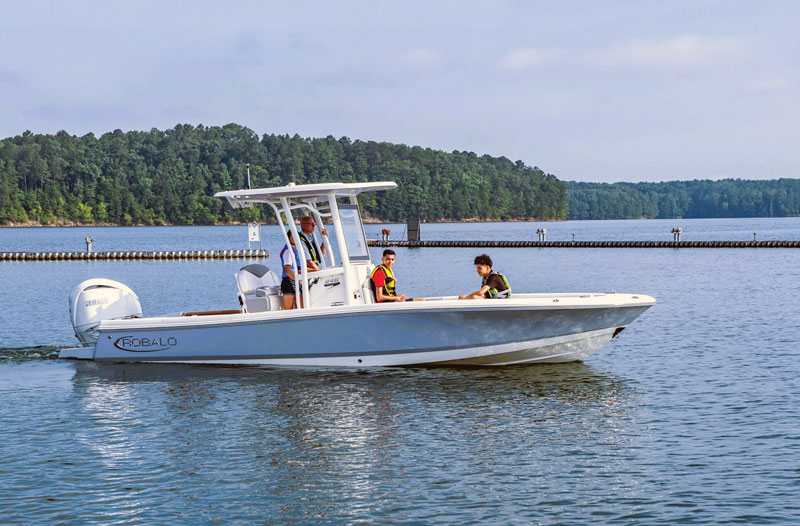
Even veteran boaters can benefit from taking an in-person safe boating course every five to 10 years, according to Steve Gershman, Natural Resources Police Reserve Officer and Vessel Stafey Check Operator. In-person courses offer experienced boaters the opportunity to learn about advancements in technology and safety features, pose questions directly to certified instructors, and refresh their knowledge of rarely (or never) used skills, such as mayday calls and person overboard procedures.
Often veteran boaters who take a boating course are surprised to learn that there are a few things that they missed (or forgot) along the way or that best practices and technology have advanced (think traditional pyrotechnic flares versus modern reusable electronic alternatives and traditional wired kill switches versus newer wireless systems).
Other good reasons to take a boating safety course might be more practical: you want to set a good example for others; you want your family to learn together; you have a new and more complicated boat; and/or your insurance carrier requires a course or offers a premium discount for certified boaters. Importantly, statistics tell us that more than 80 percent of recreational boat operators involved in fatal boating accidents have not taken any type of boater education course.
In-person courses are best, but if you can’t swing it, BoatUS Foundation for Boating Safety and Clean Water offers a free online boating safety course that has been approved for boaters in Maryland, Virginia, Delaware, and DC, among other states. The course covers important rules regarding navigation, safety equipment, emergency preparedness, and environmental stewardship.
Lynne O’Hearn, BoatUS Foundation program manager, says “We believe cost should never be a barrier to learning how to boat safely, and these new state-approved courses help ensure more people have the education they need before they leave the dock.”
Designed for completion in two to four hours, the self-paced course offers five interactive lessons that immerse students in a virtual boating experience, guiding them through different destinations while tracking progress. The curriculum is supported by dynamic, video-based learning and concludes with a 60-question final exam with unlimited retake opportunities and can be completed at the student’s own pace. Upon successful completion, most states issue a printable certificate that can be used immediately, though requirements and validity may vary by state. To take a state-approved free boating safety course in your state, visit boatus.org/free-courses/free-boating-safety-course.
Whatever your reason, if you’ve taken a boater safety course when it wasn’t required and found that it was beneficial, we’d like to hear from you. Email [email protected] with a short synopsis of your experience.