This classic Donzi is becoming Maryland's first electric boat conversion prototype.
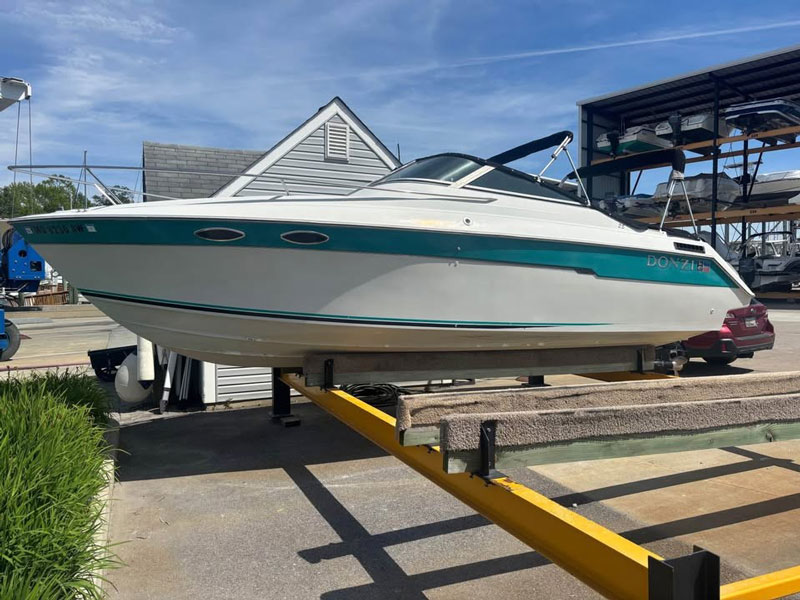
On a warm spring morning in Millington, MD, a 1989 Donzi Regazza R25 sat high on its trailer, its deep V hull gleaming under the warehouse lights at Wooden Boat Restoration (WBR). The boat looked every bit the classic Chesapeake runabout—wide shouldered, fast, and built for the chop. But this Donzi was about to become something entirely new: the Chesapeake Bay’s first full-scale gas-to-electric conversion prototype.
This project began with conversations about electric boats with Brian Palmer at Current Innovations, Dr. Seong Lee at Morgan State University, and George Hazzard at Wooden Boat Restoration. This led to our proposal and subsequent contract award by the University of Maryland (UMD) Maryland Industrial Partnerships (MIPS) and the Maryland Department of Natural Resources (DNR). MIPS (mips.umd.edu) has been doing this since 1987: Bringing the inventive minds and extensive laboratory resources of the University System of Maryland (USM) to bear on creating new products that feed the growth of Maryland businesses. This project is intended to both help the Bay and create business opportunities in Maryland.
Across the Eastern Shore and beyond, electric propulsion is gaining momentum. But while new electric boats are entering the market, the Bay is still dominated by hundreds of thousands of gas and diesel vessels. The Electric Boat Interest Group (E BIG)—a partnership between WBR, Current Innovations (led by Brian Palmer), and Morgan State University—believes the fastest way to “Transform Boating, Save the Bay” is not to replace boats, but to convert them.
Why Convert? Because the Bay Needs It
For decades, Maryland has poured resources into restoring the Chesapeake, yet one major contributor to pollution has remained largely untouched: recreational boating.
As our technical proposal notes, “Boat combustion exhaust can have several negative effects on water quality and aquatic ecosystems,” including carbon dioxide driven acidification, oxygen depletion, and chemical contaminants such as BTEX and PAHs.
And with powerboat sales hitting record highs in 2020, the Bay’s engine footprint is only growing.
Electric propulsion offers a cleaner path forward, but new electric boats can cost $100,000 to $500,000. Conversions, by contrast, can be done for around $50,000, making them accessible to far more boaters.
Finding the Right Hull
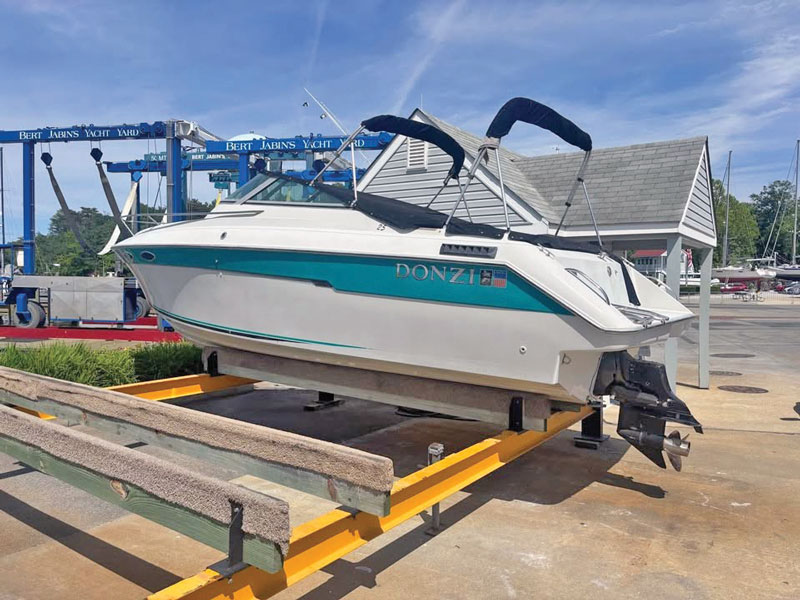
Choosing the right boat for the prototype wasn’t simple. The team evaluated nine candidates using a tradeoff matrix that considered price, trailerability, battery space, weight capacity, condition, and market appeal.
The winner? A 1989 Donzi Regazza R25.
We concluded that the 1989 Donzi was in much better condition than some of the other boats, which would reduce the time and costs for repairs and adjustments.
It also had:
- A modern, marketable look
- Excellent upholstery
- Plenty of deck space for batteries
- A strong resale profile
Ironically, the Donzi is not the easiest boat to electrify. Its deep V hull is heavy and power hungry. But that’s exactly the point. The Donzi may be a ‘worst case’ choice for conversion, but it also makes the best case for building a business on electric boat conversions. If the team can electrify a Donzi, they can electrify almost anything on the Bay.
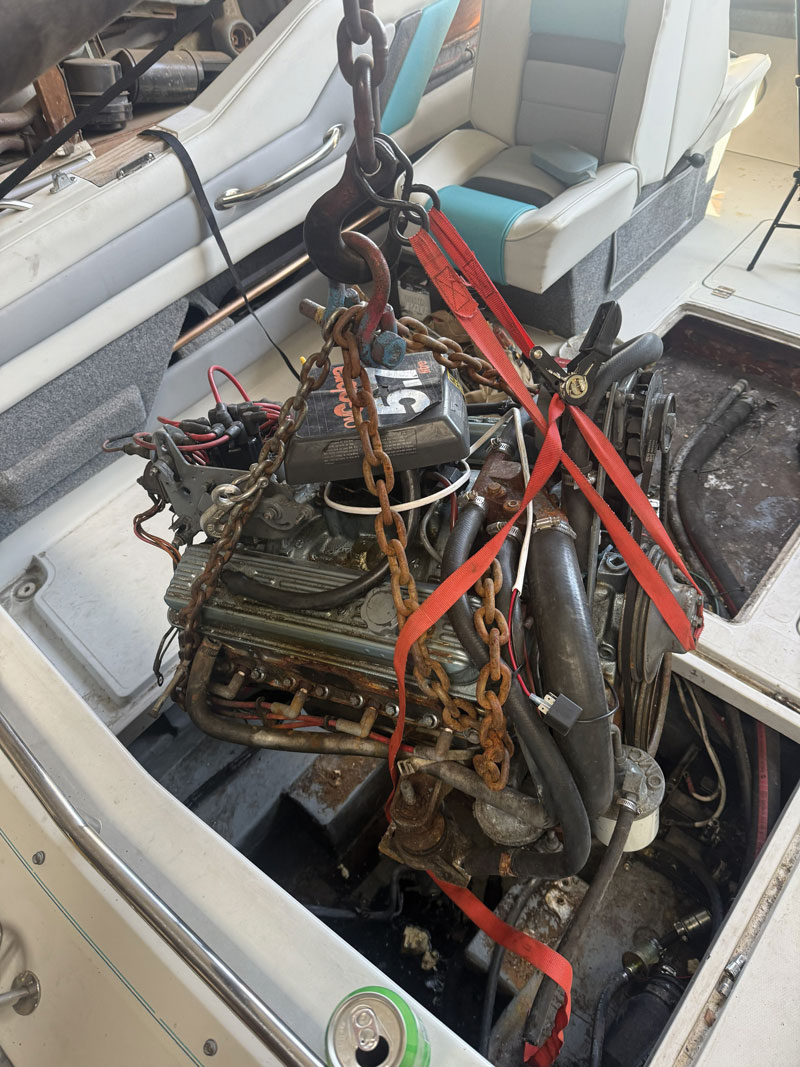
Inside the Conversion
The phase one project is underway and is divided into three major technical tracks:
1. Wooden Boat Restoration (WBR): Hull and Finishing
WBR is responsible for:
- Structural modifications
- Deck hatches and access panels
- Control panel integration
- Painting, varnishing, and cosmetic finishing
Their goal is to deliver a boat that looks as good as it runs.
2. Current Innovations (Brian Palmer): E Drive Design and Integration
Brian Palmer and his team are responsible for:
- Analyzing the Donzi’s propulsion requirements
- Establishing performance goals for range and cruising speed
- Selecting motors, Lithium cells, controllers, and other components
- Designing and building the Lithium battery system
- Integrating the systems into the hull
- Conducting functional testing
This is the heart of the conversion—the work that turns a classic gas boat into a modern electric vessel. And let’s not forget we’ll say goodbye to exhaust fumes, noise, annoying clogged injectors, and fuel spills blooming across the Bay.
3. Morgan State University: Advanced Propeller Research
Morgan State continues to lead the cutting-edge propeller work. The team is developing a “fractal twisted loop blade geometry” to improve efficiency beyond traditional designs. This research could give the converted Donzi better range and speed than any off the shelf electric propeller.
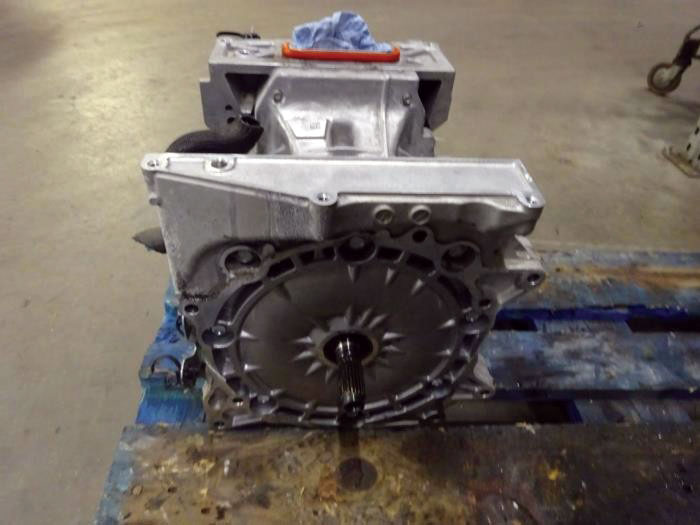
Performance Goals: What the Prototype Must Prove
Phase one of our project aims to deliver a boat that can:
- Reach 30 mph
- Plane at 25 mph
- Achieve 30 miles of mixed-use range
- Operate safely and reliably
- Serve as a showpiece at boat shows and marinas
A phase two effort, if awarded, will push further, exploring:
- Hull enhancements (strakes, foils, lifting surfaces)
- Advanced propellers
- Smart controls that optimize speed and range in real time
Enhanced range and efficiency can come with the integration of measurements and controls that track sensor data in the drive and adapt operation to the best possible speed under the current operating conditions.
A Business Model for the Bay
The business case is compelling. With ICE engines lasting only about 2000 hours, 10 percent of those boats will need replacement or overhauls every year. For that amount and a little more, WBR can provide an electric conversion that will have a life expectancy of more than 30,000 hours.
And the economics are even more striking:
- Just $13 to recharge batteries, compared to $100-plus to fill a gas tank.
- $50,000 for a full conversion, compared to $15,000–$50,000 for a typical ICE replacement.
- Simple winterization, and no more fuel gunk in your carb.
For many Bay boaters, the math speaks for itself.
The Future of Electric Boating on the Chesapeake
If all goes to plan, the prototype will be completed this summer, with customer conversions beginning in 2027. By 2032, WBR projects 24 conversions per year and a thriving regional market. But the real impact is bigger than business. This project offers a practical, scalable way to reduce boating emissions—not by replacing the Bay’s fleet, but by transforming it from within. Conversion to E drives represents a practical way to accelerate the transition to clean electric boats.
And it all starts with a classic Donzi on a trailer in Millington—a boat built for speed, now being rebuilt for the future.
By Richard Dean