 At first blush, that doesn’t sound very realistic. Nobody wants to go through a long list of emergency procedures before shoving off. Depending on their boating experience, most people you take out for a day trip either know what to do or they don’t, and you can’t change that on the spot. It takes time and practice to become truly proficient in such skills.
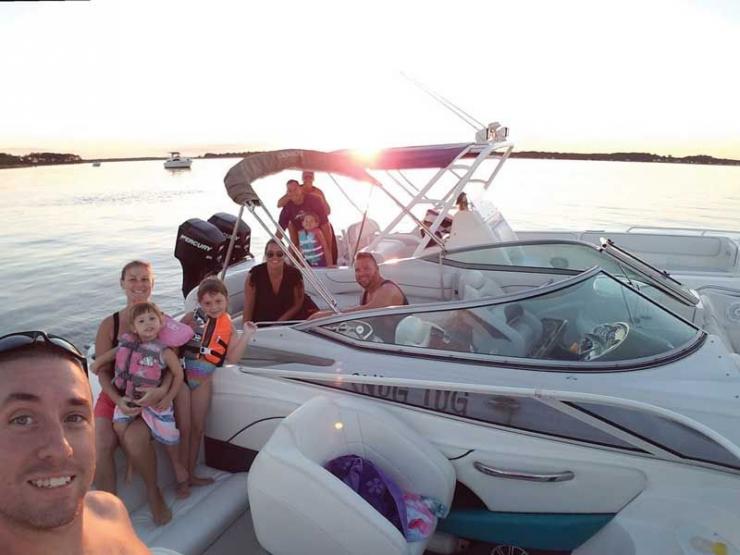
But if you concentrate on your regular crew—family members or boating buddies who go out with you regularly—you can do the job gradually and painlessly. Start with a bit of hands-on training and occasional practice drills each time you go out—as little as 10 minutes out of your boating time. And if you play it right, both your and your crew actually may enjoy it.
The benefits almost certainly will be worth the effort. Even if only one other person onboard has been trained and has practiced some emergency procedures, it will ease your job as skipper, enable you to cope with mishaps more effectively, and increase your safety level significantly. And you don’t have to start your own seamanship school to do it.
Having a trained crewmember onboard also will help solve the dilemma that your boat mates would face if something happened to you while you were on the water. Suppose you cracked your knee on a cleat or fell overboard? Who would come to your aid? Who would call the Coast Guard if were necessary? Who would get the boat back home?
Here are some of the basics you can teach your crew and practice easily when you’re under way.
At first blush, that doesn’t sound very realistic. Nobody wants to go through a long list of emergency procedures before shoving off. Depending on their boating experience, most people you take out for a day trip either know what to do or they don’t, and you can’t change that on the spot. It takes time and practice to become truly proficient in such skills.
But if you concentrate on your regular crew—family members or boating buddies who go out with you regularly—you can do the job gradually and painlessly. Start with a bit of hands-on training and occasional practice drills each time you go out—as little as 10 minutes out of your boating time. And if you play it right, both your and your crew actually may enjoy it.
The benefits almost certainly will be worth the effort. Even if only one other person onboard has been trained and has practiced some emergency procedures, it will ease your job as skipper, enable you to cope with mishaps more effectively, and increase your safety level significantly. And you don’t have to start your own seamanship school to do it.
Having a trained crewmember onboard also will help solve the dilemma that your boat mates would face if something happened to you while you were on the water. Suppose you cracked your knee on a cleat or fell overboard? Who would come to your aid? Who would call the Coast Guard if were necessary? Who would get the boat back home?
Here are some of the basics you can teach your crew and practice easily when you’re under way.
Monday, February 12, 2018 - 15:58
Here’s a novel suggestion on how to handle boating emergencies more effectively: don’t get stuck having to do it alone. Train your crew in some of the basics over the next few months, so they’re ready if a mishap occurs.
At first blush, that doesn’t sound very realistic. Nobody wants to go through a long list of emergency procedures before shoving off. Depending on their boating experience, most people you take out for a day trip either know what to do or they don’t, and you can’t change that on the spot. It takes time and practice to become truly proficient in such skills.
But if you concentrate on your regular crew—family members or boating buddies who go out with you regularly—you can do the job gradually and painlessly. Start with a bit of hands-on training and occasional practice drills each time you go out—as little as 10 minutes out of your boating time. And if you play it right, both your and your crew actually may enjoy it.
The benefits almost certainly will be worth the effort. Even if only one other person onboard has been trained and has practiced some emergency procedures, it will ease your job as skipper, enable you to cope with mishaps more effectively, and increase your safety level significantly. And you don’t have to start your own seamanship school to do it.
Having a trained crewmember onboard also will help solve the dilemma that your boat mates would face if something happened to you while you were on the water. Suppose you cracked your knee on a cleat or fell overboard? Who would come to your aid? Who would call the Coast Guard if were necessary? Who would get the boat back home?
Here are some of the basics you can teach your crew and practice easily when you’re under way.
At first blush, that doesn’t sound very realistic. Nobody wants to go through a long list of emergency procedures before shoving off. Depending on their boating experience, most people you take out for a day trip either know what to do or they don’t, and you can’t change that on the spot. It takes time and practice to become truly proficient in such skills.
But if you concentrate on your regular crew—family members or boating buddies who go out with you regularly—you can do the job gradually and painlessly. Start with a bit of hands-on training and occasional practice drills each time you go out—as little as 10 minutes out of your boating time. And if you play it right, both your and your crew actually may enjoy it.
The benefits almost certainly will be worth the effort. Even if only one other person onboard has been trained and has practiced some emergency procedures, it will ease your job as skipper, enable you to cope with mishaps more effectively, and increase your safety level significantly. And you don’t have to start your own seamanship school to do it.
Having a trained crewmember onboard also will help solve the dilemma that your boat mates would face if something happened to you while you were on the water. Suppose you cracked your knee on a cleat or fell overboard? Who would come to your aid? Who would call the Coast Guard if were necessary? Who would get the boat back home?
Here are some of the basics you can teach your crew and practice easily when you’re under way.